
Seu carrinho está vazio no momento!
Reading the Room: Live Dealer Psychology Tricks in Australian Online Casinos
When the croupier smiles, the cards turn, and the timer ticks, most players assume they are watching a game. In practice they are watching a carefully staged service environment, and that distinction matters for anyone spending a Saturday arvo on a live table. In my day job bridging banking operations and global technical support, I have seen how small behavioural nudges shape incident response and customer retention across time zones. Live dealers psychology tricks work the same way: they are not magic, they are operational design, and knowing the pattern helps you keep your own head in the game.
When the Dealer Sets the Pace
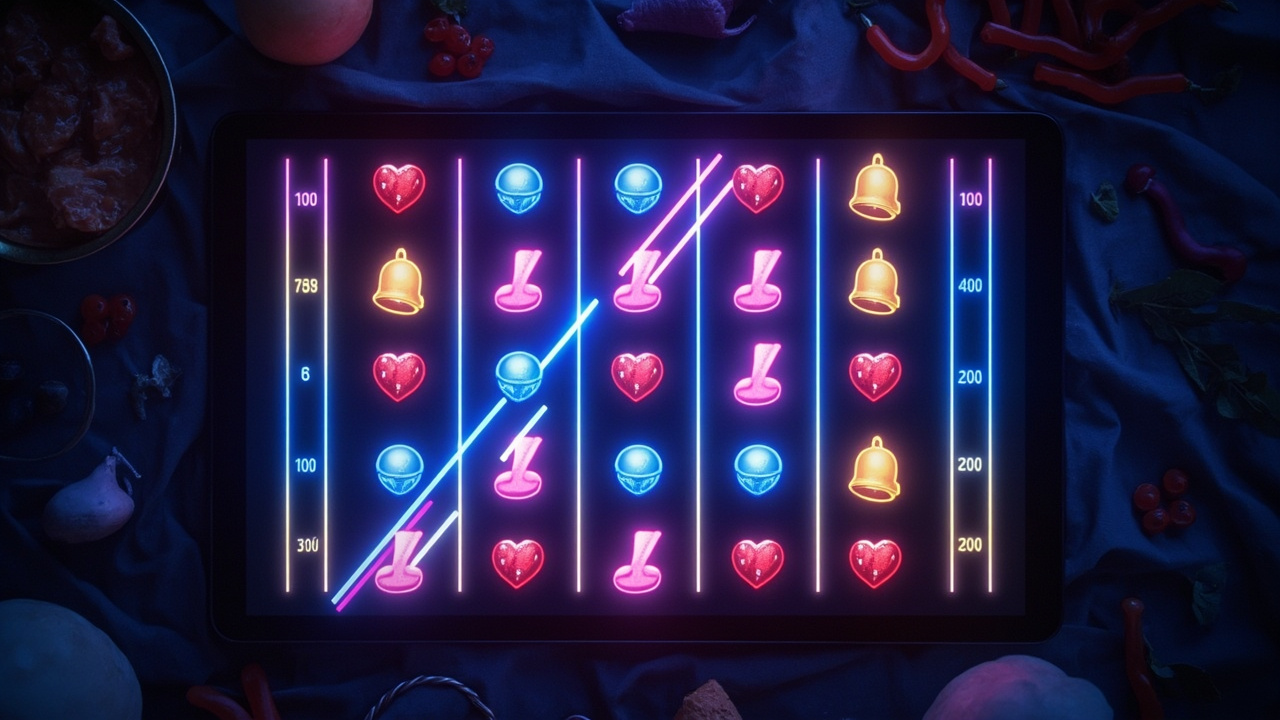
A live table is built around timing, and timing is where the psychology lives. The shuffle, the cut, the pause before the next round, the dealer’s eye contact with the chat – each one is calibrated to keep attention steady rather than frantic. Industry claims often frame these moments as entertainment polish, but the operational reality is more mundane: consistent rhythm reduces support tickets, smooths cash-in and cash-out flows, and keeps the lobby moving without creating the kind of friction that sends people hunting for help. That is the same logic I apply when a payment queue starts backing up across international teams; you do not shout louder, you stabilise the cadence.ripper casino free chip 2023 australia
The dealer’s language matters just as much as the clock. Neutral phrasing, measured encouragement, and a refusal to lean into momentum shifts are all standard practice, because a table that runs on hype burns through attention faster than a table that runs on routine. From where I sit, that routine is the real product. Players who recognise it stop reading every pause as a signal and start reading it as a design choice, which is the first step toward playing on their own terms rather than the table’s.
For Australians working around payday cycles and cost-of-living pressure, that awareness is not abstract. When the rent is due and the weekend budget is already stretched, a table that borrows urgency from its pacing can feel a lot more persuasive than it should. The practical move is to treat the dealer’s rhythm as background noise, set a session limit before you join, and step away when the clock – not the cards – tells you it is time.
How the Table Talks to You
The camera angle, the felt layout, the way a dealer acknowledges a winning bet with a quick nod rather than a speech – these are small details that add up to a controlled atmosphere. Providers invest in these touches because they reduce the cognitive load on players, which in turn keeps the lobby organised and the session length predictable. It is a bit like comparing timing against notes on local service forums, where slow transfers get flagged fast, except here the metric being managed is attention rather than settlement speed. The dealer is not your opponent and not your coach; the dealer is the human face of a system that has been tuned to stay calm under load.
That distinction is worth holding onto. When a table feels warm, it is easy to mistake hospitality for an invitation to stay longer. A reality-check reminder that pops up to show how long you have been playing is one of the few tools that cuts through that warmth with a plain fact: time has passed. Whether a platform surfaces those reminders prominently or buries them is a fair indicator of how much it wants you to notice your own session, and that is a more useful question than whether the dealer seemed friendly.
Reading the Lag, Not the Luck
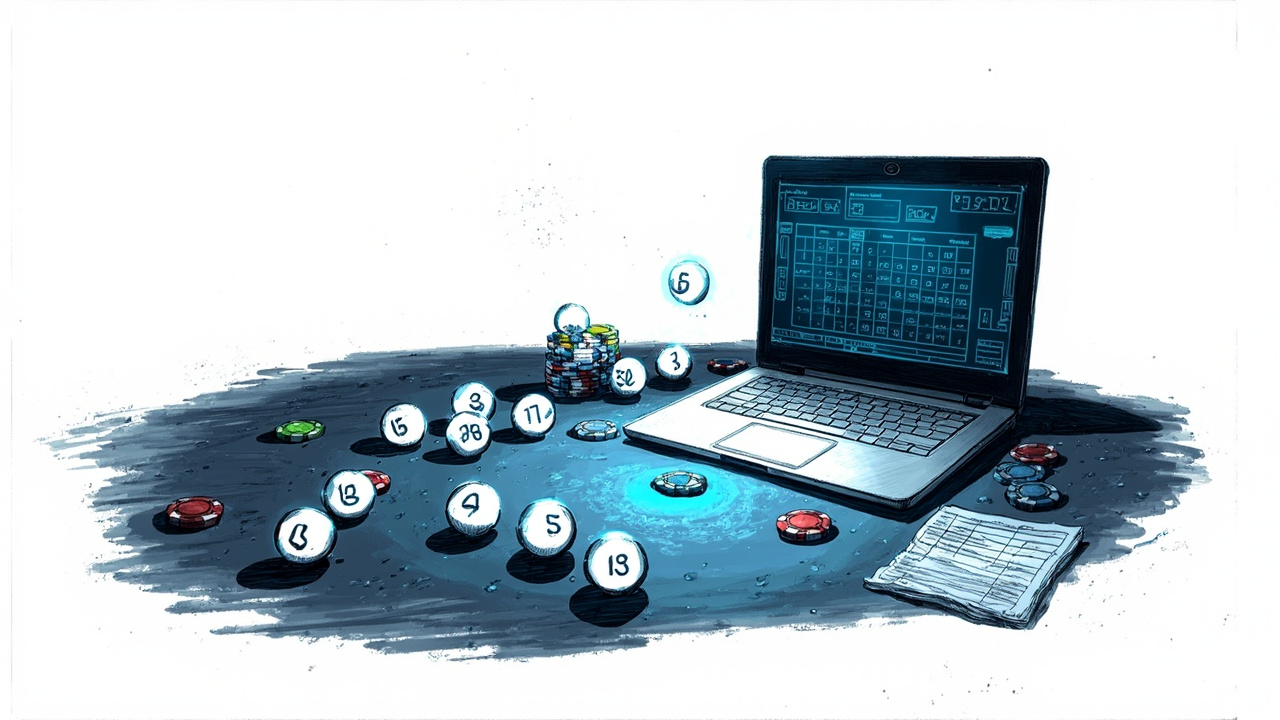
Live tables also run on latency, and latency changes how people interpret events. A half-second delay between the wheel stop and the result display can make a close outcome feel suspenseful, even when the outcome was settled the moment the ball crossed the line. In technical support work, I have watched the same delay pattern turn a routine incident into a complaint simply because people fill the gap with assumptions. On a live table, those assumptions can tilt a player toward chasing a result that has already been decided.
The responsible read is to separate the visual drama from the mechanical fact. The cards are shuffled, the wheel is spun, and the result is fixed before the animation finishes. If you can hold that separation in mind, the table loses a lot of its pull to keep you betting through a streak that feels like it must turn. That is not a warning about any single provider; it is a way of keeping your own expectations aligned with what the table actually does.
Lobby Design, Game Mix, and Where Discovery Goes
A live lobby is a catalog, and catalogs are built to guide you toward what converts. The mix of tables, the placement of popular providers, the search bar, the filters for stakes and language – all of it is discovery design, not neutral arrangement. Some lobbies surface high-traffic tables first and tuck slower games deeper into the list; others let you sort by dealer, language, or table limit, which changes how quickly you find a pace that suits you. Neither approach is inherently better, but they do nudge you toward different session shapes.
The same principle shows up in how games are grouped. A lobby that clusters live blackjack, roulette, and baccarat together makes cross-game hopping easy, which is convenient but also makes it easier to keep moving without noticing the clock. A lobby that separates live tables from slots and video poker creates a clearer boundary, and boundaries are useful when you are trying to keep a session tidy. For players who like a bit of poker intrigue, the cultural footprint of titles like Runner Runner has done more to shape expectations about online poker than any single lobby layout, but the broader point stands: the stories we bring into the room affect how we read the room.Newcastleherald
Providers matter here too, because each one brings its own table style, dealer cadence, and chat culture. Some tables feel brisk and transactional; others feel more conversational. That variation is real, and it is one of the reasons a single casino can feel like several different environments depending on which live table you land on. If you are choosing a platform, the useful question is not which lobby looks busiest, but which one lets you find the table you actually want without having to wade through a stack of promoted rows first.
Matching the Table to the Player
Player fit comes down to pace, stakes, and how much structure you want around the session. Someone playing a quiet session after work wants a table that does not feel like a race, while someone treating a live table as a social arvo activity may prefer a busier room with more chat and a faster turn. The dealer’s psychology only becomes a problem when the table’s pace runs ahead of your own plan, so the practical check is simple: know what you want before you click, and treat the lobby as a map rather than a recommendation engine.
That is where reality-check reminders, clear stake filters, and visible session tools earn their keep. They are not there to lecture you; they are there to make the table’s design legible, which is the same kind of operational transparency I look for when comparing incident response across teams in different regions. A platform that makes its limits, currencies, and reminder settings easy to find is giving you the same thing a well-run support queue gives you: a chance to act on facts instead of mood.
For Australians weighing a session against the week’s budget, that legibility matters more than any polished lobby aesthetic. Payday rhythms, household bills, and the simple fact that a live table is built to hold attention all point to the same practical habit: decide the exit before you enter, and let the dealer do the job they are actually hired to do, which is run the table, not manage your bankroll.
A measured read of live dealers psychology tricks turns the table from a persuasion engine into a service environment with a clock, a camera, and a dealer doing a job. That shift does not guarantee anything except корпоративный сайт a clearer head, which is the one edge that actually belongs to the player.